

















Cast cow — beli atau jual


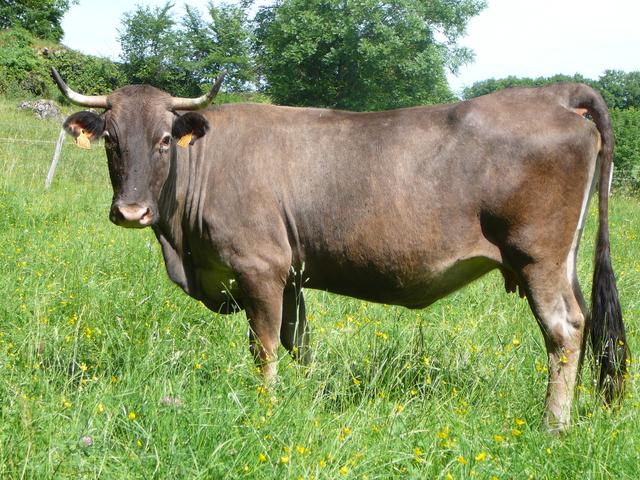
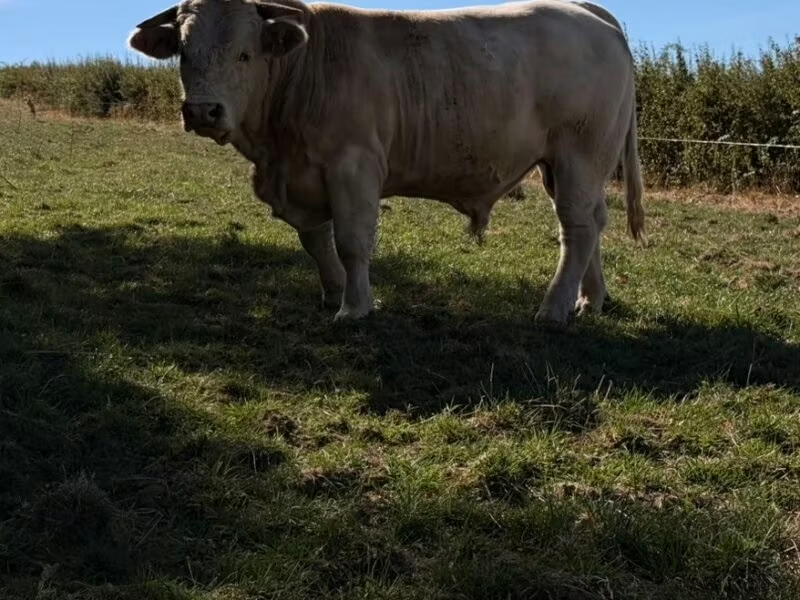
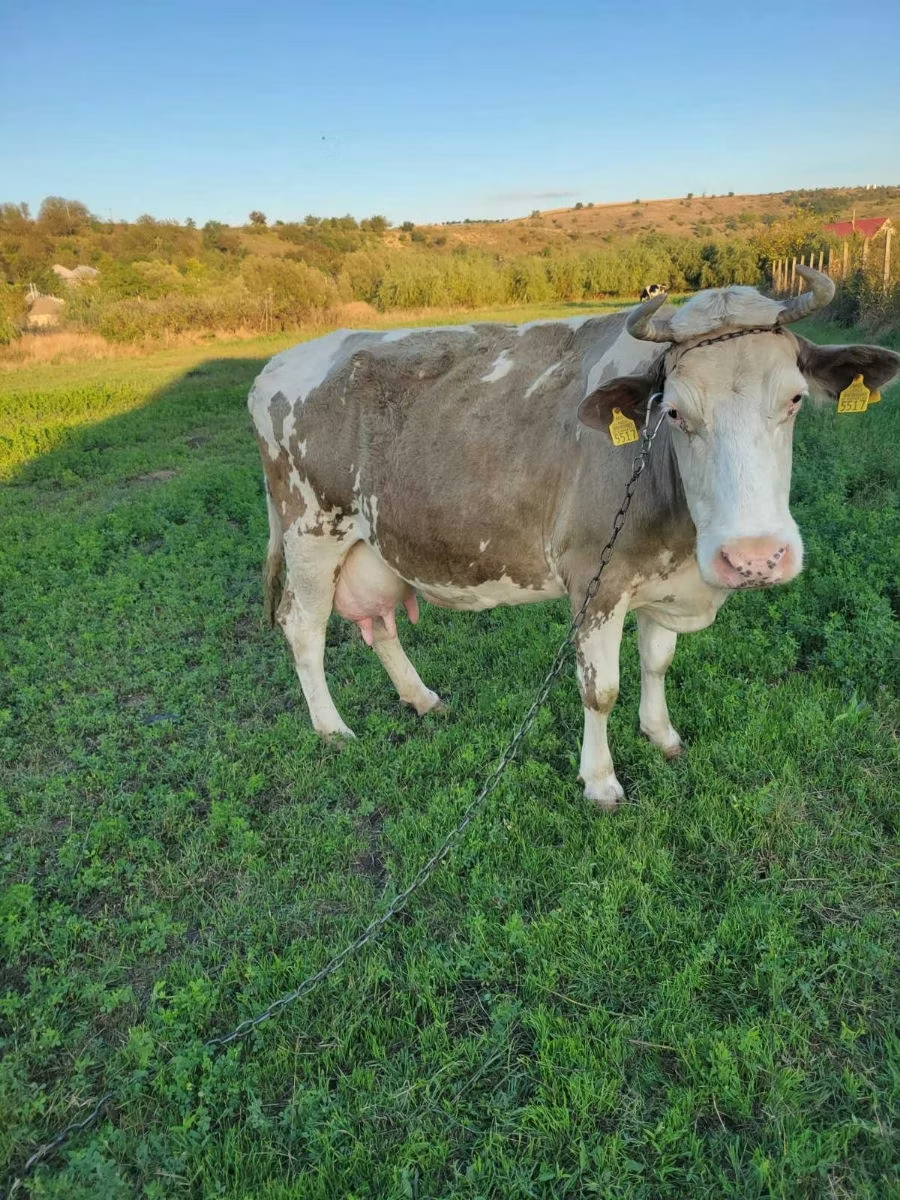
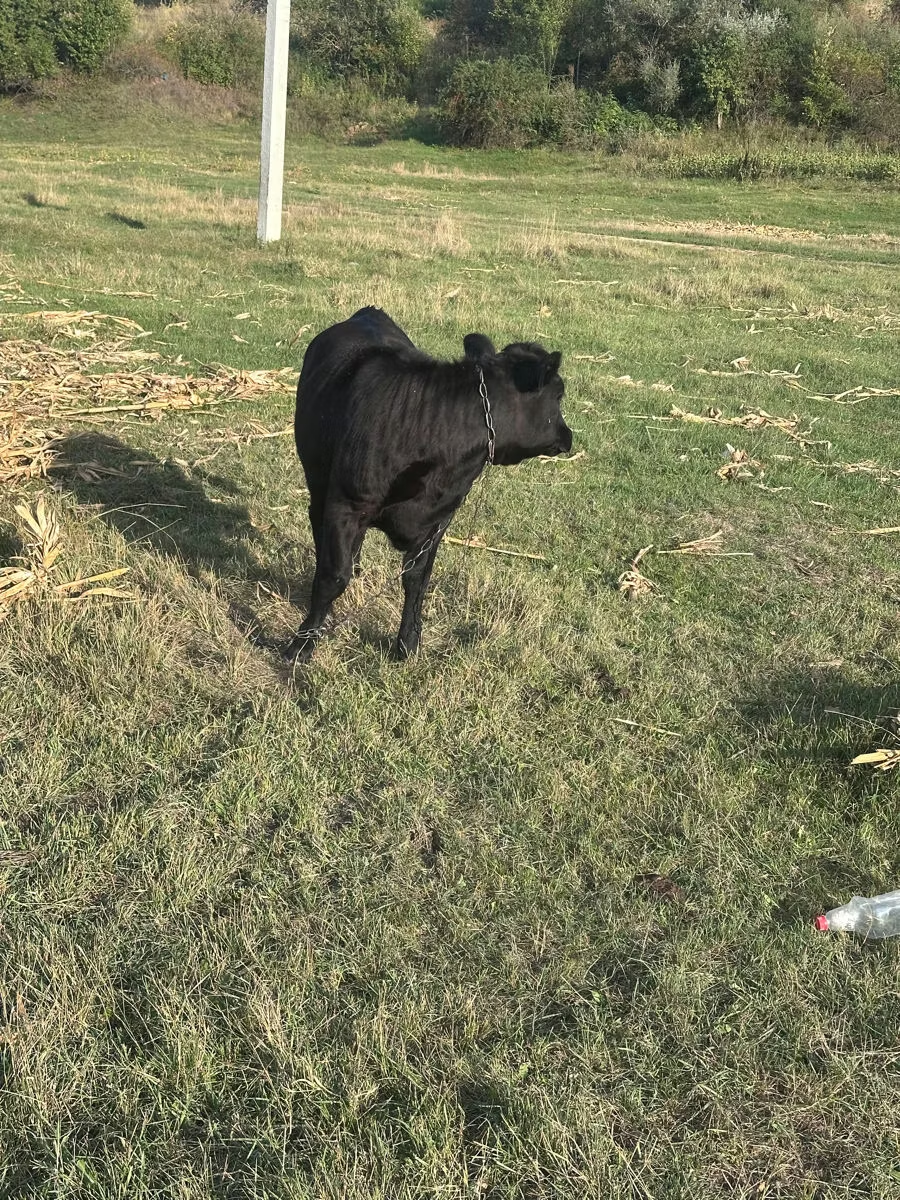
Breed history: Casta (known in other languages as Aure-et-Saint-Girons) is a rare French breed of cattle originating from the central part of the Pyrenees. The history of the Casta breed is shrouded in mystery, but it is believed to have arisen from the crossing of Spanish and French breeds, such as the Iberian and Celtic. The first attempt to register the breed was made in 1901, but the actual herd book appeared only in 1920. At that time, there were two branches of the breed: "or" and "sen-giron," which differed slightly from each other. These cows were used for various purposes — as dual-purpose meat and milk animals, including for transporting goods in mountainous areas. However, with the development of agricultural mechanization in the 20th century, the demand for labor decreased. This, combined with competition from other breeds, such as the French Brown, led to a sharp decline in the Casta population. By the 1970s, one of the branches of the breed, the sen-giron, had disappeared. Thanks to the efforts of breed conservationists, it managed to survive, especially in the high mountain areas of the Pyrenees. By 1983, only 76 cows remained in the world, and by 2010, the population had increased to 253 cows in 40 farms. Exterior: Casta cows are medium-sized. They are usually chestnut-colored, which gave the breed its name. Sometimes the coat can be reddish or solid-colored. The fur is thick, and the skin and mucous membranes are light. The average height of the cows is about 135 cm at the withers, and their weight is 600-700 kg. Bulls are somewhat larger, with a mass that can reach 800-900 kg. These cows have a medium-length head with a straight profile and long lyre-shaped horns, which are present in both males and females. The body is strong and stocky, and the legs are sturdy, allowing them to move easily in mountainous terrain. The hooves are tough and also help the cows in harsh conditions. Housing conditions: Casta is ideally adapted to the harsh conditions of the mountains. These cows are very resilient and can withstand cold. In winter, they require shelter from wind and precipitation. Pregnant cows should be provided with calmness and good feeding conditions. In summer, they can graze in mountain meadows, making long transitions (from place to place). Productivity direction: Historically, Casta cows were used as multipurpose animals: for milk, meat, and work.
Masuk untuk info lebih lanjut
MasukApa yang harus diberikan makan
Diet: Hay, silage, and concentrates are the basis for feeding the herd. Hay, which can be either meadow or mixed grass, provides animals with the necessary fiber, supports the health of their digestive system, and helps avoid gastrointestinal problems. Silage, in turn, is a source of energy and contains vitamins that are especially important in the winter period when fresh grass is unavailable. Concentrates supplement the diet, providing cows with proteins, fats, and carbohydrates that are essential for full development and productivity. The herd, like many other cows, can be given root vegetables. Pregnant cows require special attention to nutrition. They need an increased amount of nutrients to maintain the health of the mother and the development of the fetus. During this period, it is important for the diet to be enriched with minerals such as calcium and phosphorus, as well as vitamins including A, D, and E, which contribute to the normal course of pregnancy and strengthen immunity. Calves in the first months of life are fed with their mother's milk. It not only nourishes their bodies but also supports their immunity, protecting them from diseases. They are fed for an average of 4-5 months, after which calves begin to be transitioned to other feed, gradually adapting them to an adult diet.
Parameter fisik
Berat jantan: 800–900 kg
Berat betina: 600–700 kg
Tinggi jantan: 125–145 cm
Tinggi betina: 120–138 cm
Habitat
Prancis
Pertanyaan umum
Berapa berat Cast cow?
Hewan dewasa: jantan — 800–900 kg, betina — 600–700 kg.
Berapa tinggi Cast cow?
Tinggi di layu: jantan — 125–145 cm, betina — 120–138 cm.
Dari mana asal Cast cow?
Negara asal — Prancis.
Apa yang harus diberikan makan kepada Cast cow?
Diet: Hay, silage, and concentrates are the basis for feeding the herd.
Tanya Jawab
Belum ada pertanyaan. Ajukan yang pertama!
Masuk untuk mengajukan pertanyaan
Iklan di wilayah Anda